What To Check Before A Dining Table Setup For Everyday Family Meals
A practical step-by-step guide to what to check before a dining table setup for everyday family meals, including preparation, instructions, common issues, tips, and next steps.
What To Check Before A Dining Table Setup For Everyday Family Meals
Setting up a dining table for everyday family meals involves more than just placing plates and forks. A well-prepared table encourages relaxed conversation, reduces mealtime stress, and helps everyone enjoy their food. This guide walks you through essential checks: cleaning the surface, arranging seat spacing, setting out the right utensils, ensuring lighting and comfort, and preparing for spills and seconds. By following these steps, you create a welcoming and functional table that works for busy weeknight dinners and casual weekend gatherings alike. The focus is on practical, repeatable actions that make each meal feel special without adding extra time to your routine.
Fast Answer
- Start by wiping down the table and checking that all chairs are clean, stable, and evenly spaced around the table so everyone has room to sit comfortably.
- Set out a basic place setting for each person: a plate, a napkin, a fork, a knife, and a glass, then add extras like a spoon or salad plate only if you are actually serving those items.
Before You Start
- Check the tabletop for sticky spots, crumbs, or dust. Use a damp cloth and a gentle cleaner suitable for your table's finish. Dry it completely to avoid leaving water marks or a slippery surface.
- Inspect each chair and stool for wobbling, loose screws, or damaged seats. Tighten any fasteners and move broken chairs aside so no one sits on an unstable seat during the meal.
- Gather all plates, bowls, glasses, and utensils you plan to use. Make sure you have enough for each person plus a few extra for serving spoons, butter knives, or those who might drop something.
- Decide on a centerpiece or condiment holders, like a salt shaker or a small vase. Keep them low so they don't block views or reach. Place them in the middle, leaving clear space in front of each chair.
Step-by-Step Instructions
Clean and Inspect the Table Surface
Start by clearing the table of any leftover items, mail, or decorations from previous activities. Then, wipe the entire surface with a soft cloth and a mild cleaner that is safe for your table's material. For wood, avoid harsh chemicals that can strip the finish; a little dish soap and water works well. For glass or laminate, a common glass cleaner is fine, but check that it doesn't leave streaks. If you have a tablecloth or placemats, inspect them for stains or wrinkles and either replace them or smooth them out before placing them down. Finally, run your hand over the surface to feel for crumbs, sticky spots, or any rough areas that might catch clothing. A clean table not only looks inviting but also prevents the spread of germs and makes the meal feel more pleasant. Check that the table is stable at this point: give it a gentle shake to see if any legs are loose, and if so, tighten them or place a small piece of felt under a leg to stop wobbling. This step takes only a couple of minutes but sets the stage for the whole meal.
Arrange Seating Space and Chair Comfort
Next, look at the space around the table. Each place setting needs about 24 inches of width so people can sit without bumping elbows. If you have a rectangular table, place the chairs so that each person has enough room to pull out their chair and sit down without hitting the wall or a sideboard. For a round table, space the chairs evenly around the perimeter. Check that the chairs are clean and free of food debris from previous meals. Also, confirm that each chair is the right height for the table: you want about 10–12 inches from the seat to the tabletop so that arms rest comfortably. If you have children, make sure they can reach the table and that their feet touch a footrest or the floor. Unstable chairs can be dangerous, so give each one a quick push to test its steadiness. If a chair wobbles, tighten screws or place a folded paper under a leg to level it. Comfortable seating encourages everyone to linger at the table and enjoy conversation, which is a key goal of a family meal. Also, check that there is enough clear path behind the chairs for people to move around and serve food.
Set Out a Simple Place Setting
Now, place the essentials for each person. Start with a dinner plate as the anchor, set about one inch from the edge of the table. Put the napkin either to the left of the plate or on the plate itself, depending on your style. On the left side, place a fork, tines up. On the right, place a knife with the blade edge facing the plate and, if you need it, a spoon to the right of the knife. Set a glass or cup above the knife, to the right. If you're having soup or salad, add a soup bowl or salad plate on top of the dinner plate, but only if you are actually serving those courses. Do not lay out extra silverware that won't be used; it clutters the table and confuses guests. Ensure that each place setting is aligned with the one across the table for a neat appearance. After arranging, step back and check that the utensils are evenly spaced and the table does not look overcrowded. If you have placemats, center them with the plate in the middle. This classic setup is practical because it provides everything needed without excess, making the meal feel orderly and allowing everyone to start eating as soon as food is served.
Prepare the Centerpiece and Condiments
Decide what will sit in the middle of the table. A simple centerpiece like a small vase of flowers, a bowl of fruit, or a candle (unlit unless you are right there) adds warmth. Keep it low—no more than 12 inches tall—so it doesn't block anyone's view or make them lean sideways to talk. Also, think about condiments like salt, pepper, and serving sauces. Place them within easy reach of everyone, but not in a way that crowds the food. If you have a lazy Susan, consider using it for frequently passed items. Check that any serving bowls or platters you plan to use have their own spoons or forks. For family-style meals, position the serving dishes in the center with at least one serving utensil each. If you are pre-setting anything, like water glasses or bread plates, do so now. Avoid overdecorating: too many objects can make the table feel busy and increase the chance of spills. A functional centerpiece is one that does not interfere with passing dishes or reaching across the table. This check improves both the look and the flow of the meal, making it easier for everyone to serve themselves and converse naturally.
Check Lighting and Table Height
Evaluate the lighting in the room where you are eating. Good lighting helps everyone see their food and read any labels or dishes, and it creates a warm atmosphere. Avoid harsh overhead lights that cast shadows directly on the plates. If you have a dimmer, turn it to a comfortable level. If natural light is available, open curtains or blinds, but be mindful of glare on shiny surfaces. You can also use a couple of small candles (always supervised) or a low-powered lamp on a sideboard to add gentle light. Next, confirm that the table itself is at a comfortable height for dining. Standard dining tables are about 29–30 inches high. If your table is unusually high or low, adjust chairs or use cushions so that feet rest flat and elbows are not raised too high. Also, check that there is nothing hanging over the table, like a light fixture that is too low or a shelf that could bump heads. A well-lit, properly sized table makes the meal more enjoyable and reduces eye strain. Make sure you never place candles near anything flammable, and keep them away from the reach of children. This step is often overlooked but greatly affects the dining experience.
Final Walk-Around and Spill Readiness
Before you call everyone to the table, do a final walk around the entire setup. Look for any missing items, like a fork for someone or a water glass for a child. Check that each chair is pulled out slightly so people can slide in easily, but not so far that they block the aisle. Walk with a plate of food from the kitchen to the table to ensure the path is clear. Also, prepare for spills by having a stack of napkins or a small cloth within arm's reach of the table. If the table is near a wall, make sure that chair backs do not scrape the wall when pushed out. Check that the floor under the table is clean and free of toys or clutter, so that no one trips. Finally, take a moment to look at the table from the doorway: does it look inviting? Are the colors balanced? Does it feel ready for the meal? If something looks off, adjust it now—re-align a placemat, move the salt shaker, or tuck in a chair. This last-minute review helps you catch simple mistakes that could otherwise interrupt the meal. Once you've done this, you can confidently call your family to the table, knowing that everything is in place for a relaxed and enjoyable dinner. This habit also teaches children to appreciate a properly set table.
Quick Reference
| Situation | Action | Why it helps |
|---|---|---|
| You notice a sticky spot on the table just before serving dinner. | Wipe it immediately with a damp cloth and dry it completely, then place a placemat or napkin over the area to protect it. | Sticky residue attracts crumbs and can spoil the look of the table, and a quick wipe prevents the food from picking up any taste or smell. |
| A chair feels wobbly, and you don't have time to fix it. | Swap that chair with a sturdier one from another room, or place a folded piece of cardboard under the short leg to level it. | An unstable chair can cause spills or injuries; stabilizing it ensures a safe and comfortable seat for the person using it. |
| Your table is small, and you need to fit an extra person for a meal. | Use a leaf if available, or squeeze in a folding chair at the corner, and remove any centerpiece to give everyone enough elbow room. | Extra guests need adequate space to eat comfortably without feeling cramped, so removing decorations frees up surface area and reduces clutter. |
Common Issues
- The table surface gets scratched by plates and cutlery.: Always use placemats or a tablecloth, and teach family members to slide plates onto the table gently rather than scraping them across. Check for rough edges on plates and avoid stacking them directly on the surface.
- People keep bumping into each other's elbows during meals.: Increase the space between place settings to at least 24 inches by spreading chairs wider or moving to a larger table. If your table is fixed, try reducing the number of items on the table to give more room for arms.
- Condiment bottles or serving dishes are always out of reach.: Place the most-used items near the center but slightly toward where the main diner sits, and pass them around instead of stretching. Consider using a lazy Susan or a separate side station to keep the table organized.
Advanced Tips
- Invest in cloth napkins and a simple napkin ring to reduce waste and add a touch of elegance that doesn't require extra effort.
- Create a 'serving pattern' for family-style meals: place the heaviest dishes closest to the person who usually passes them, so everyone can reach without standing.
- Use a small tray or caddy to hold salt, pepper, toothpicks, and extra napkins; you can lift it off the table when you need more space.
Final Checklist
- Table surface is clean, dry, and free of cracks or sticky spots.
- Each seat has a stable chair and enough elbow room on both sides.
- All place settings include at least a plate, fork, knife, glass, and napkin.
- Centerpiece is low and doesn't block anyone's view or reaching space.
FAQ
How many utensils should I set for a typical weekday dinner?
For most weeknight meals, you only need a dinner fork, a dinner knife, and a spoon if you're serving soup or dessert. Adding extra forks for salad or fish is unnecessary unless you actually serve those courses. Keeping the place setting simple saves time and reduces clutter, making the table feel more relaxed. As a rule, set out only what you will use for the meal.
What is the best way to handle paper napkins vs. cloth napkins?
Choose based on your meal’s fussiness. For everyday, paper napkins are convenient and environment-friendly if they are compostable, but they can tear easily. Cloth napkins are more durable and feel nicer, but they require laundering. A good compromise is to have a stash of cloth napkins for regular use and paper ones for quick cleanups or outdoor eating. Make sure to have a designated basket or drawer for each.
Should I involve my children in setting the table?
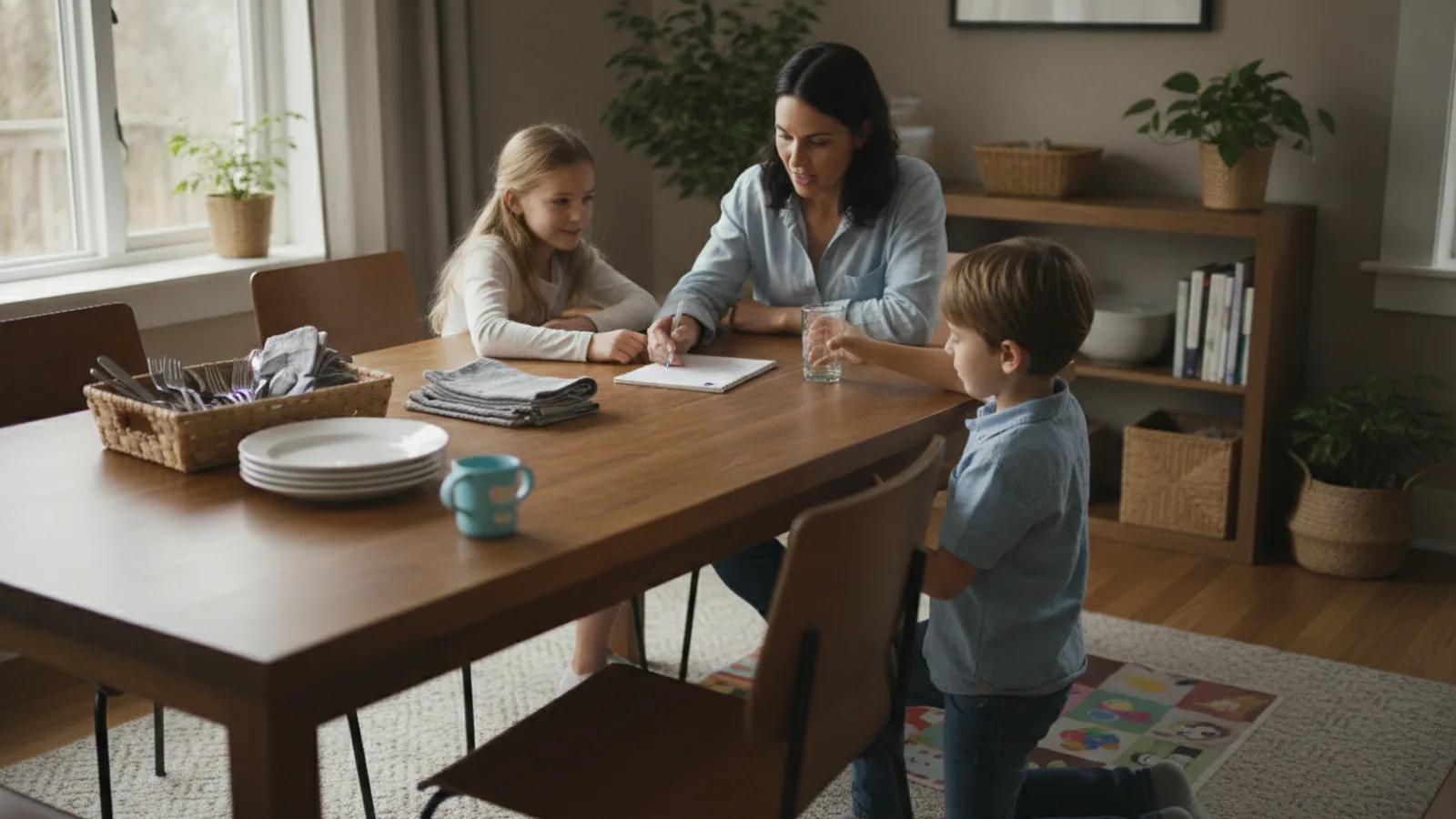
Yes, involving children builds responsibility and helps them learn the mechanics of a proper setup. Start with simple tasks like placing napkins and spoons, then gradually teach them where each item goes. Use a placemat with drawn outlines to guide young kids. This not only lightens your load but also gives children a sense of contribution to the family meal. Always supervise sharp knives and fragile glassware, and gently correct mistakes without causing stress.