Common Mistakes When Planning A Useful Entryway Organisation Routine For Busy Households
A practical step-by-step guide to common mistakes when planning a useful entryway organisation routine for busy households, including preparation, instructions, common issues, tips, and next steps.
Common Mistakes When Planning A Useful Entryway Organisation Routine For Busy Households
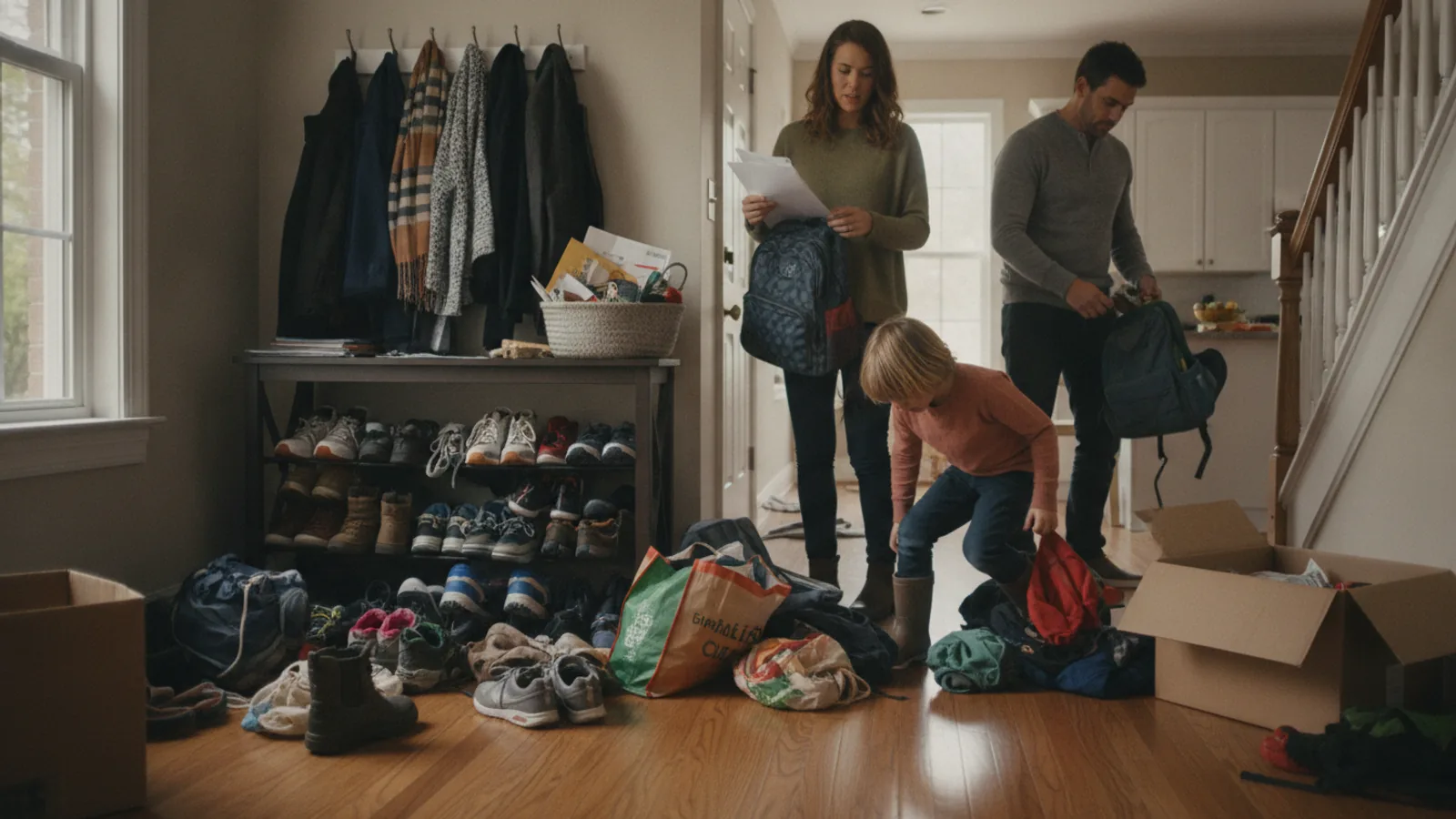
Planning a useful entryway organisation routine for a busy household means more than buying baskets and hooks. It requires a practical system that matches how your family actually moves through the front door, accounts for daily comings and goings, and stays flexible enough to survive chaotic mornings and unexpected weather. Common mistakes include overlooking the need for a designated drop zone, failing to sort items by frequency of use, ignoring the flow of traffic, and neglecting to build in a weekly reset. This guide walks you through the planning steps, offers troubleshooting for frequent issues, and provides a clear checklist to keep your entryway functional day after day.
Fast Answer
- Start by observing your family's real entryway habits for one week: note who arrives, what they carry, and where they drop things. Then assign a specific home for each item category and place them at the exact spot where the item is first set down.
- Create a daily five-minute routine: hang coats, place shoes on the rack, sort mail into a tray, and put keys and bags on designated hooks. End each day with a quick sweep so the space is ready for tomorrow.
Before You Start
- Observe your household's entryway flow for a week: note which items are dropped most often (keys, bags, shoes, mail), where they land, and at what times. Write down patterns so you can design zones that mirror real habits.
- Measure your entryway floor space, wall area, and any existing furniture. Note door swing directions, light switch locations, and electrical outlets. These measurements will guide your choice of storage and hook placement.
- Set a realistic budget for storage solutions (baskets, hooks, a bench, a small shelf). Decide what you can repurpose from around the house and what you may need to purchase. Keep the budget flexible.
- Involve every household member in a short planning meeting. Ask each person what they need at the door and where they think things should go. This builds buy-in and ensures the system meets everyone's needs.
Step-by-Step Instructions
Observe and map current entryway habits
Start by watching how your entryway actually functions for one full week. Put a notepad near the door and jot down each time someone comes in: what they carry, what they put down, and where. Note whether they kick off shoes, drop a backpack, or toss mail on the table. Also record what gets taken out when leaving, like keys or a lunch bag. After a week, you will see clear patterns—for example, the same spot is the landing zone for mail, or the floor becomes a shoe pile because there is no rack nearby. Use this map to design your storage zones. If you skip this, you risk placing hooks and baskets where they look nice but do not match real traffic. The check is simple: look at your notes and identify the top three items that come in daily, then plan for those first. This matters because a routine built on actual behaviour is far more likely to stick.
Sort every incoming item into categories
Create categories for everything that enters the entryway: outerwear, shoes, bags, keys, mail, and small items like sunglasses or reusable bags. Write each category on a separate sticky note. Then, for each category, estimate how often it is used: daily, weekly, or occasional. For instance, school backpacks are daily, while scarves and gloves are weekly in winter. Assign a storage spot based on frequency: daily items should be at arm’s reach, weekly items can be slightly higher or lower, and occasional items can be stored in a closet or a high shelf. The check: make sure no category shares a single hook or bin with another unless they are used together, like keys and a key hook. This sorting step prevents the common mistake of a single ‘junk’ basket where everything gets thrown together. When each item has a clear category and home, it is much easier to put things away, and you will face fewer piles.
Design zones that follow the traffic flow
Use your habit map to place storage exactly where items are first set down. For example, if shoes end up just inside the door, put a shoe bench or rack within one step of the doorway. If bags are dropped on a chair a few feet away, install hooks directly above that chair. Think of the entryway as a path: you should be able to enter, drop everything, and exit without obstacles. Draw a simple floor plan on paper, marking door swings and walking paths. Place wide, deep bins for bulky items like sports gear at the end of a bench. For a busy household, a horizontal surface like a narrow console table can serve as a landing spot for mail and keys, but keep it clear of clutter. The check: stand at the door and simulate coming in with a bag, coat, and keys—every item should have a home within reach from where you naturally stop. This matters because if a storage spot is not convenient, family members will ignore it.
Implement with hooks, bins, and a clear-deck rule
Start installing your chosen storage. Begin with the most used items: a row of strong hooks for coats and bags at a height comfortable for adults and children. Place a shoe rack with a seat nearby. Add a key hook or a small tray for keys and a mail sorter. Use clear bins for each family member for mitts, scarves, or small sports items. As you set up, obey the ‘clear deck’ rule: every flat surface must have a designated purpose, and after each use, the surface should be cleared. So, the mail tray is for mail, but once mail is sorted, it must go to the office or recycle bin—not sit in the tray for days. The check: after a week, see if the storage is being used correctly. If something is still piled up, move the storage to a different spot or change the type of container. This trial period is essential because the first arrangement may not match your family’s habits perfectly.
Create a ten-minute daily reset routine
Set a specific time each day—maybe right after dinner or just before bed—for a quick entryway reset. During this time, spend ten minutes putting items back in their designated spots: hang coats, place shoes on the rack, empty the mail tray, and return any misplaced items to their owners. Involve the whole family if possible, and make it a habit. For example, you might say, 'Everyone takes their own things to their rooms.' This routine prevents the space from becoming overwhelmed. The check: after the reset, the entryway should look tidy enough that you would not be embarrassed if a guest arrived. If you miss a day, do not panic—just restart the next day. This daily habit is the backbone of an organised entryway because it stops the build-up of clutter that makes mornings chaotic.
Review and adjust monthly to match seasonal needs
Once a month, take a critical look at your entryway system. Remove any items that are out of season—like heavy coats in summer—and store them elsewhere. Evaluate whether the layout still works: as children grow, their needs change, and your own routines may shift. Ask each family member what is working and what is not. Maybe shoes no longer fit the rack, or you need more hooks for new hobbies. Adjust the system accordingly. The check: walk through the entryway and ask if every item can be put away in less than one minute. If not, simplify or rearrange. This monthly review ensures the routine stays useful and does not become outdated.
Quick Reference
| Situation | Action | Why it helps |
|---|---|---|
| You come home with a bag of groceries and need to set it down so you can hang up your keys and coat. | Place the groceries on a side table or bench that is designated for temporary items, not the floor. Hang your keys on the hook by the door first, then put away the coat, then deal with the groceries. | This sequence ensures that essential items—keys and coat—are safely stowed before you get distracted, and the groceries are kept off the floor where they could be tripped over. |
| It is raining, and the whole family’s coats, shoes, and umbrellas are dripping wet. | Keep a waterproof tray or mat at the door specifically for wet items. Train everyone to remove shoes and place them on the tray, hang coats on a separate hook, and put umbrellas in a designated stand, even if they are wet. | A designated wet zone protects your floors and prevents mildew, while also giving everyone a clear place to put soggy items so they do not end up as a heap. |
| Monday morning, you cannot find your keys anywhere and everyone is late. | Instantly switch to a rule: keys always go on a specific hook or into a bowl by the door. If the hook is full, remove other items to make room. Also, set a daily reminder to do the reset routine so the hook is always available. | A consistent spot for keys eliminates the most common time-waster and prevents panic. The daily reset ensures the spot is not blocked by other items. |
Common Issues
- The shoe pile reappears next to the door despite having a shoe rack.: Relocate the shoe rack to the exact spot where people naturally take off their shoes, maybe right beside the door. Also, limit the number of shoes allowed in the entryway to, say, three pairs per person, and store seasonal or rarely used shoes elsewhere.
- Coats end up on a chair or the floor instead of on hooks.: Check the hook height and accessibility. Install hooks at two levels—one for adults and one for children. Ensure there are enough hooks for each family member plus guests. Place a reminder note at eye level for the first week to reinforce the habit.
- Mail and papers accumulate on the entryway table, creating clutter.: Set up a two-tier mail sorter: one tray for bills and action items, another for junk mail to recycle immediately. Make a rule to sort mail every day within five minutes of bringing it in. Schedule a weekly time to pay bills and file important documents.
Advanced Tips
- Assign a specific colour or symbol to each family member for their hooks, bins, and even shoe slots. This prevents mix-ups and helps kids take ownership of their own gear.
- Create a 'launch pad' near the door: a small tray for items you must take when leaving, such as keys, wallet, and reusable bags. Check it every morning before you step out.
- Install a small whiteboard or chalkboard near the entryway to list items to grab when leaving, like 'library books' or 'sports bag'. This serves as a visual reminder and reduces forgotten items.
Final Checklist
- Have you observed and mapped your household's entryway habits for at least one week and identified the top five items that come in daily?
- Does every item have a designated, clearly labelled storage spot based on how often it is used, and is it located within arm's reach of where it is first set down?
- Is there a daily ten-minute reset routine scheduled at a specific time, and have all family members been informed and involved?
- Have you scheduled a monthly review to adjust the system for seasonal changes and evolving needs, and are you ready to adapt your layout if it is not working?
FAQ
What should I do if my family keeps ignoring the new organisation system?
Start with a family meeting to explain the system and why it helps everyone. Make it easier by reducing the number of steps to put things away. Sometimes people avoid a system because it is too complex or the spots are not convenient. Ask for their feedback and be willing to adjust. You can also gamify it for a week, with small rewards for remembering. Consistency is key, but do not force it—focus on making the system as effortless as possible.
How do I handle seasonal clothing and gear in a small entryway?
Rotate items seasonally. At the start of a new season, move off-season gear to a storage area like a closet or under-bed bins. Keep only what is currently in use in the entryway. You can also use a high shelf for less frequently used items. Label bins clearly so you can swap easily. This saves space and reduces clutter.
We have a large family; how do we prevent the entryway from becoming overwhelmed?
Maximise vertical space with multiple rows of hooks, use a tall shoe cabinet for shoes, and assign a labelled bin or basket for each person. Develop a rule that the entryway is a pass-through zone, not a storage room. Set a limit on what can be stored there, like two items per person. Enforce a daily reset to keep the area clear. You may also consider adding a bench with storage underneath for extra capacity.